
A legal virtual assistant needs strong communication, organization, confidentiality, technology, and legal-support skills. A law firm should assess those skills through work samples and role-specific scenarios, then train the assistant on its own systems and boundaries.
This hiring guide explains the skills that matter, how to assess them, and how duties differ from an attorney’s legal judgment. The assistant supports the firm’s workflow; the supervising lawyer remains accountable for legal advice, strategy, and final work product.

Core skills for a legal virtual assistant
What communication skills should a legal virtual assistant have?
A legal virtual assistant should communicate clearly, accurately, and professionally with attorneys, staff, clients, and vendors. The assistant should confirm instructions, write concise updates, use a respectful tone, and escalate questions instead of guessing about legal issues.
What organizational skills should a legal virtual assistant have?
A legal virtual assistant should organize calendars, task lists, matter records, and follow-up steps in a consistent system. Strong organization includes recording deadlines accurately, checking details against source documents, and promptly flagging conflicts or missing information.
What legal knowledge does a virtual assistant need?
A virtual assistant needs enough legal terminology and process knowledge to follow assigned procedures and recognize when a task requires attorney review. The assistant should not give legal advice, make legal decisions, or represent that they are a lawyer.
What document skills matter for legal virtual assistants?
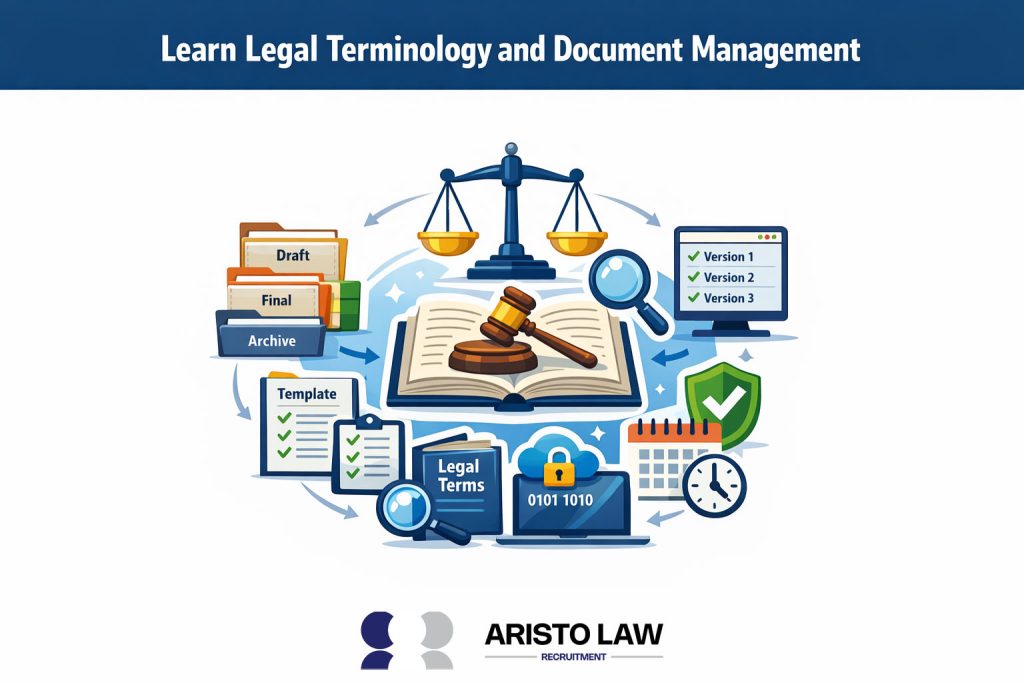
Legal virtual assistants need careful document handling, formatting, naming, version control, and proofreading skills. They should follow templates, preserve source information, track changes, and route drafts for attorney review before filing or sending them as legal work.
What technology skills should a legal virtual assistant have?
A legal virtual assistant should be comfortable learning case-management platforms, document tools, calendars, spreadsheets, video meetings, and secure file-sharing systems. The firm should test practical proficiency in the software it uses instead of relying on a generic technology claim.
Why is confidentiality essential for legal virtual assistants?
Confidentiality is essential because assistants may access client communications, personal information, case records, and privileged materials. A candidate should understand access limits, secure handling, clean-desk practices, approved communication channels, and the duty to report a suspected data incident.
What research skills should a legal virtual assistant have?
A legal virtual assistant should gather information from sources the attorney specifies, record citations or links, and distinguish verified facts from assumptions. The attorney must decide legal significance, validate authority, and approve any legal analysis.
What client-service skills should a legal virtual assistant have?
A legal virtual assistant should listen carefully, record accurate intake details, set appropriate expectations, and route urgent or sensitive matters to the right person. The assistant should follow firm-approved scripts and avoid promising outcomes or giving legal advice.
How to assess a legal virtual assistant
How can a law firm test a candidate’s skills?
A law firm can test a candidate’s skills with short, role-related exercises: organize a sample file, draft a client update from approved facts, identify missing intake information, and prioritize a sample task list. Use fictional or redacted material and score accuracy, clarity, confidentiality choices, and escalation judgment.
What questions should a law firm ask in an interview?
A law firm should ask how a candidate handles unclear instructions, deadlines, confidential files, client concerns, and possible errors. Good answers explain a repeatable process, identify when to ask for clarification, and show that the candidate does not exceed the assigned role.
How should a law firm onboard a virtual legal assistant?
A law firm should onboard a virtual legal assistant with written procedures, defined access, named supervisors, approved templates, escalation rules, and quality checks. Begin with low-risk tasks, review early work closely, and expand responsibilities after the assistant demonstrates accuracy.

Skills by legal support role
What skills does a legal intake assistant need?
A legal intake assistant needs attentive listening, accurate data entry, empathetic communication, and disciplined escalation. Intake staff collect and route information; they do not decide whether a person has a valid claim or give legal advice.
What skills does a virtual paralegal assistant need?
A virtual paralegal assistant needs legal-document accuracy, research discipline, matter organization, and a clear understanding of attorney supervision. Duties vary by jurisdiction and firm policy, so the supervising lawyer must define permitted work.
What skills does a litigation support assistant need?
A litigation support assistant needs reliable deadline tracking, evidence organization, document control, and careful coordination across a case team. The assistant should preserve records and report missing items without changing or interpreting evidence.
Connect skills to the firm’s workload
Which services match these skills?
Firms can match a candidate’s strengths to a defined support role, including a virtual legal assistant, virtual paralegal assistant, legal intake specialist, litigation case manager, virtual demand writer, or medical records specialist.
Which practice areas benefit from legal virtual assistant support?
Support duties can be tailored to the matter workflow in personal injury, immigration, family law, business law, real estate, and employment law. Each firm should train support staff on its processes and keep substantive legal decisions with the attorney.
What should a law firm prioritize when hiring?
A law firm should prioritize accuracy, confidentiality, communication, reliability, and sound judgment about when to escalate. Software familiarity can be taught more easily than carelessness with client information or a habit of guessing when a task is unclear.